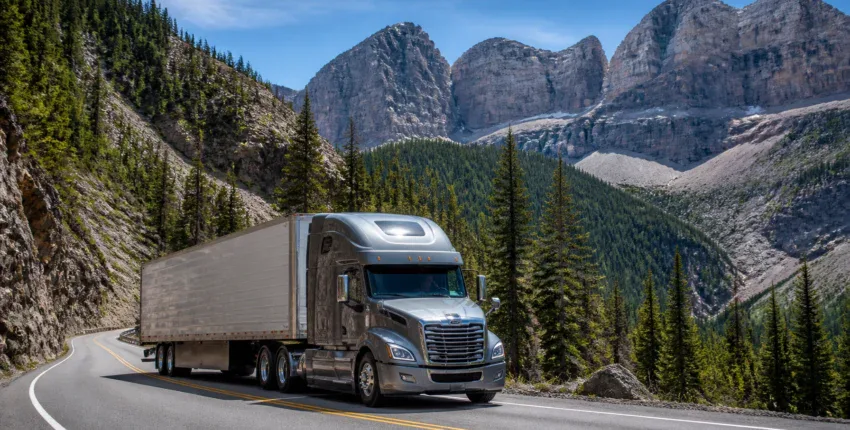
For most folks driving a sedan, Raton Pass is just a scenic stretch on I-25 where the radio signal gets a little spotty. But for a trucker hauling 80,000 pounds, that 7,834-foot summit on the Colorado-New Mexico border is a different beast entirely. It’s the gateway between Trinidad and Raton, and it demands respect.
Whether you’re heading south out of Colorado or grinding your way up from the New Mexico side, the grades on Raton Pass are sustained and unforgiving. If your equipment isn’t up to snuff, the pass will find your weakest link. At ER Auto & Diesel, LLC, we see it all the time. We’re located right here in Trinidad, and we’ve helped plenty of drivers who thought their rigs were “good enough” until they hit that first steep descent.
Preparation isn’t just about avoiding a breakdown; it’s about safety and protecting your livelihood. Here is our honest, no-nonsense guide to getting your trailer and truck ready for the challenge of Raton Pass.
1. Audit Your Braking System (The Descent is Everything)
If you ask any veteran driver what the most dangerous part of Raton Pass is, they won’t talk about the climb; they’ll talk about the way down. The northern descent toward Trinidad is particularly notorious for catching drivers off guard. If your brakes aren’t in peak condition, you risk brake fade: a terrifying situation where your brakes get so hot they simply stop creating friction.
Before you even see the “Steep Grade” signs, you need to be certain your trailer repair and maintenance are current. Check your slack adjusters and ensure your air system is building and holding pressure correctly. A small leak in an air line might be manageable on flat ground, but when you’re leaning on those brakes to manage your speed on a mountain, that leak becomes a liability.
Listen for any “squealing” or “grinding” sounds during your pre-trip. Those are the early warning signs of worn pads or glazed drums. If you’re feeling a vibration in the pedal or steering wheel, don’t ignore it. It’s much cheaper to get a brake service in town than to end up on a runaway truck ramp.
2. Give Your Cooling System a Fighting Chance
While the descent tests your brakes, the climb is a brutal test of your engine’s cooling system. Grinding up those grades at high altitude means there’s less oxygen for combustion and less air density to pull heat away from your radiator. Your engine is going to run hot: it’s just a matter of how hot.
Check your coolant levels and, more importantly, the condition of your hoses and clamps. High-pressure situations like a mountain climb are when an old, brittle hose finally decides to burst. Look for any signs of crusty “scaling” around connections, which usually indicates a slow leak that could turn into a major problem under stress.
We always tell drivers to check their fan clutch as well. If that fan doesn’t kick in when the temps start climbing, you’ll be on the shoulder with a steaming hood before you reach the summit. If you haven’t had a cooling system flush or inspection recently, doing so before a heavy mountain haul is one of the smartest moves you can make.
3. Dial in Your Tire Pressure and Tread
Tires are often the most overlooked part of mountain prep, but they take a massive amount of abuse on Raton Pass. Think about the physics: on the climb, your drive tires are working overtime to find traction. On the descent, your trailer tires are dealing with the heat radiating from the brakes.
Fluctuating temperatures at high altitudes can cause your tire pressure to shift. An under-inflated tire flexes more, creating internal heat that can lead to a blowout. Conversely, over-inflated tires have a smaller contact patch, which is the last thing you want if there’s a bit of mountain rain or early-season slush on the road.
Check your tread depth. You need those grooves to channel water and provide grip on the curves. If your tires are looking bald or “chopped,” stop by for a fresh set or a quick check-up. We offer comprehensive tire sales and service right here in the region, and we can help you find the right rubber for these mountain conditions.

4. Inspect Your Suspension and Fifth Wheel
Raton Pass isn’t just steep; it’s also windy. High-altitude gusts can catch a trailer and give it a good shove, especially if you’re hauling a light load or a high-profile trailer. This puts a lot of lateral stress on your suspension and your coupling.
Check your bushings, shocks, and leaf springs. If your trailer is leaning or bouncing more than usual, it’s going to be much harder to control on the switchbacks. Ensure your fifth wheel is properly greased and the locking jaws are secure. A “slack” connection can cause the trailer to jar the tractor, making for a white-knuckle drive through the curves.
As part of our heavy equipment and fleet services, we prioritize checking these structural components. It’s about more than just staying on the road; it’s about making sure your equipment doesn’t wear out prematurely from the extra strain of mountain driving.
5. The “Trinidad Stop”: A Final Pre-Pass Inspection
The best piece of advice we can give any trucker is to perform a final “walk-around” in Trinidad or Raton before you hit the pass. It only takes five minutes, but it can save you hours of headache.
Walk around the rig and look for anything out of the ordinary. Are there any new drips under the engine? Are the trailer lights working (essential for visibility in mountain fog)? Does anything smell like it’s burning? Sometimes, a quick visual check is all it takes to spot a loose belt or a frayed wire that could have caused a breakdown on the steepest part of the grade.
If you do find something concerning, don’t risk the climb. Our mobile auto repair team is ASE Master Technician certified and we come to you. Whether you need a quick diesel repair or a trailer fix, it’s always better to address the issue while you’re still on relatively flat ground.
Professional Help When You Need It Most
At ER Auto & Diesel, LLC, we understand the unique challenges of driving through Southern Colorado and Northern New Mexico. We’re a family-owned shop, and we treat every rig that comes our way with the honesty and respect it deserves. We know that for a trucker, time is money: but safety is everything.
If you’re prepping for a run over Raton Pass and want the peace of mind that comes with a professional inspection, give us a call. We’re Fire Apparatus Certified and a BBB-accredited facility, meaning we have the expertise to handle everything from heavy-duty commercial trucks to emergency vehicles.
Don’t let the mountain catch you off guard. Proper maintenance is the difference between a smooth trip and a long night waiting for roadside assistance.
Need a hand getting your rig ready? Contact ER Auto & Diesel today or call us for mobile service throughout the Trinidad area!