Living in Southern Colorado, particularly around Trinidad and Las Animas County, offers some of the most breathtaking views in the country. From the rugged beauty of the Sangre de Cristo Mountains to the wide-open high desert, we are lucky to call this area home. However, while our scenery is world-class, our roads are notoriously tough on vehicles. If you feel like you are replacing your tires more often than your friends in the suburbs of Denver or Colorado Springs, you aren’t imagining things.
The unique combination of terrain, surface materials, and extreme weather shifts creates a “perfect storm” for rubber compounds. At ER Auto & Diesel, LLC, we see the results of these conditions every day. Understanding why our local environment is so demanding can help you make better decisions about tire service in Trinidad, CO, and potentially save you from an unexpected breakdown on a remote mountain pass.
The Gravel Factor: Nature’s Sandpaper
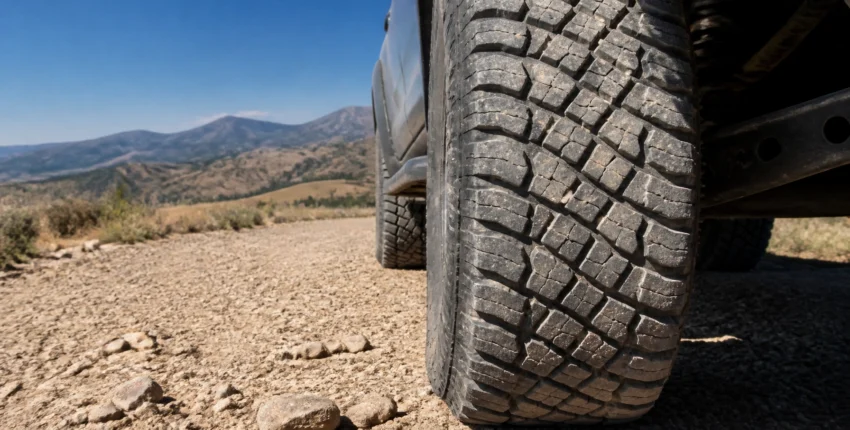
For many drivers in and around Trinidad, pavement is a luxury that ends at the edge of town. Much of our region is connected by gravel and dirt roads. While these routes are essential for reaching ranches, job sites, and hidden camping spots, they act like giant sheets of sandpaper on your tires.
When you drive on smooth asphalt, the friction is relatively uniform. On gravel, however, the tire surface is constantly bombarded by sharp, irregular rock fragments. This leads to what mechanics call “chipping and chunking.” As the tire rolls, these small stones can actually cut into the rubber, tearing away tiny pieces of the tread block. Over time, your tires start to look “chewed up,” losing the sharp edges that provide grip on slippery surfaces.
Furthermore, loose gravel creates a lack of stability. Every time you accelerate, brake, or take a corner on a loose surface, your tires experience “micro-slips.” Even if you don’t feel the vehicle sliding, the rubber is scrubbing against the stones at a microscopic level. This constant abrasion can reduce the lifespan of a standard highway tire by as much as 30% to 50%. If your daily commute involves several miles of unpaved road, regular diagnostics and inspections are crucial to ensure those micro-abrasions aren’t turning into deep cuts that could lead to a blowout.
The Mountain Climb: Torque, Gravity, and Heat
Southern Colorado isn’t flat, and that verticality is a major contributor to tire wear. Whether you are hauling a trailer up Raton Pass or navigating the winding roads throughout Southern Colorado, your tires are working significantly harder than they would on level ground.
The Upward Struggle
When you climb a steep grade, your engine sends more torque to the wheels. This force pushes the tire tread against the road surface with much more intensity. If you are driving a heavy-duty diesel truck or towing equipment, that pressure is amplified. This “high-load” driving causes the rubber to heat up and wear down faster. You might notice a faint “whining” or “humming” sound from your tires as they struggle to maintain grip under heavy load: this is often a sign of uneven wear patterns developing on the tread blocks.
The Descent and Braking
What goes up must come down. On long descents, drivers often rely heavily on their brakes. This creates immense heat that can transfer from the braking system to the wheels and tires. Even if you use engine braking (which we highly recommend for diesel owners), the front tires still bear the brunt of the steering and weight transfer as you navigate tight mountain switchbacks. This leads to “shoulder wear,” where the outer edges of the tire wear down long before the center.
If you find yourself stuck with a flat on a steep mountain shoulder, our team provides reliable roadside assistance in Trinidad, CO, to get you moving again without the stress of a dangerous DIY change on a slope.
Thermal Shock: The High-Desert Temperature Swing
One of the most overlooked factors in tire longevity is the extreme temperature fluctuations we experience in our region. It’s not uncommon to see a 40-degree or 50-degree temperature swing in a single day.
Heat and Abrasion
In the summer, the sun beats down on our dark roads, pushing surface temperatures well above 130°F. Hot rubber is softer and more “vulnerable.” When soft, hot rubber meets sharp mountain gravel, the rate of wear increases dramatically. The chemical bonds in the tire compound actually start to break down faster under these high-heat conditions, leading to “heat cycling,” which can make the rubber brittle over time.
Cold and Pressure Drops
Conversely, our winter nights are frigid. For every 10-degree drop in temperature, your tires can lose about one pound per square inch (PSI) of pressure. Driving on under-inflated tires causes the sidewalls to flex excessively, generating internal heat that can damage the tire’s structure. If you wake up and your tire pressure light is on, don’t ignore it. Operating a vehicle with improper pressure on our local roads is a recipe for auto repair in Trinidad, CO.

Sensory Signs Your Tires Are Failing
Because we live in such a demanding environment, you should be your vehicle’s first line of defense. You don’t need to be a certified technician to notice the early warning signs of tire distress. Use your senses to “listen” to what your vehicle is telling you:
- The Sputter and Slip: If you feel your vehicle “hunting” for traction or slipping slightly on a climb that used to be easy, your tread depth likely hit a critical point.
- The Highway Hum: Listen for a rhythmic thumping or a new, loud humming sound when you reach highway speeds. This often indicates “cupping” or “feathering,” where the tread has worn unevenly due to suspension issues or lack of rotation.
- The Steering Vibration: A vibration in the steering wheel, especially at specific speeds, can mean a tire has lost a balance weight or has developed a flat spot from a hard braking event on a mountain road.
- Visual Chipping: Take a close look at the “valleys” between your tread blocks. If you see small pits or “chunks” missing, the gravel roads are winning the battle.
Protecting Your Investment: Local Solutions
Given how harsh our environment is, a “set it and forget it” mentality doesn’t work for tires in Southern Colorado. You need a proactive strategy to keep your vehicle safe and your costs down.
- More Frequent Rotations: While many shops suggest rotating tires every 7,500 miles, we often recommend a 5,000-mile interval for drivers who spend significant time on gravel or in the mountains. This helps even out the aggressive wear patterns caused by steep grades.
- Choose the Right Compound: Not all tires are created equal. For our area, we often suggest tires with “chip-resistant” compounds specifically designed for mixed-surface driving. They might be a bit more of an investment upfront, but they stay on your vehicle much longer than a standard highway tire.
- Alignment Checks: The potholes and washboards on our local roads can knock your vehicle out of alignment in a single afternoon. If your alignment is off, you can ruin a brand-new set of tires in just a few thousand miles.
- Mobile Convenience: We know that taking time out of your day to sit in a shop can be a hassle. That’s why we offer mobile auto repair. We can come to your home or job site to inspect your tires, perform rotations, or handle other maintenance tasks while you stay productive.
Trust the Local Experts
Your tires are the only part of your vehicle that actually touches the road. In an environment as unforgiving as Southern Colorado, that “touch” needs to be as secure as possible. Whether you are managing a fleet of commercial trucks or just looking to keep your family car safe for the next trip over the pass, understanding the local terrain is the first step toward better vehicle health.
At ER Auto & Diesel, LLC, we aren’t just mechanics; we are your neighbors who drive these same roads every day. We understand the specific challenges of Las Animas County and Northern New Mexico. From tire sales to expert diagnostics and emergency roadside assistance, we are here to ensure that “beyond the tread,” your vehicle is ready for whatever the mountain throws at it.
If you’ve noticed your tires looking a little worse for wear or if that highway hum is getting louder, don’t wait for a blowout. Contact us today to schedule an inspection or take advantage of our complimentary vehicle pickup and delivery within 10 miles.
Need expert tire care or reliable auto repair? Contact ER Auto & Diesel, LLC today to keep your vehicle mountain-ready.